
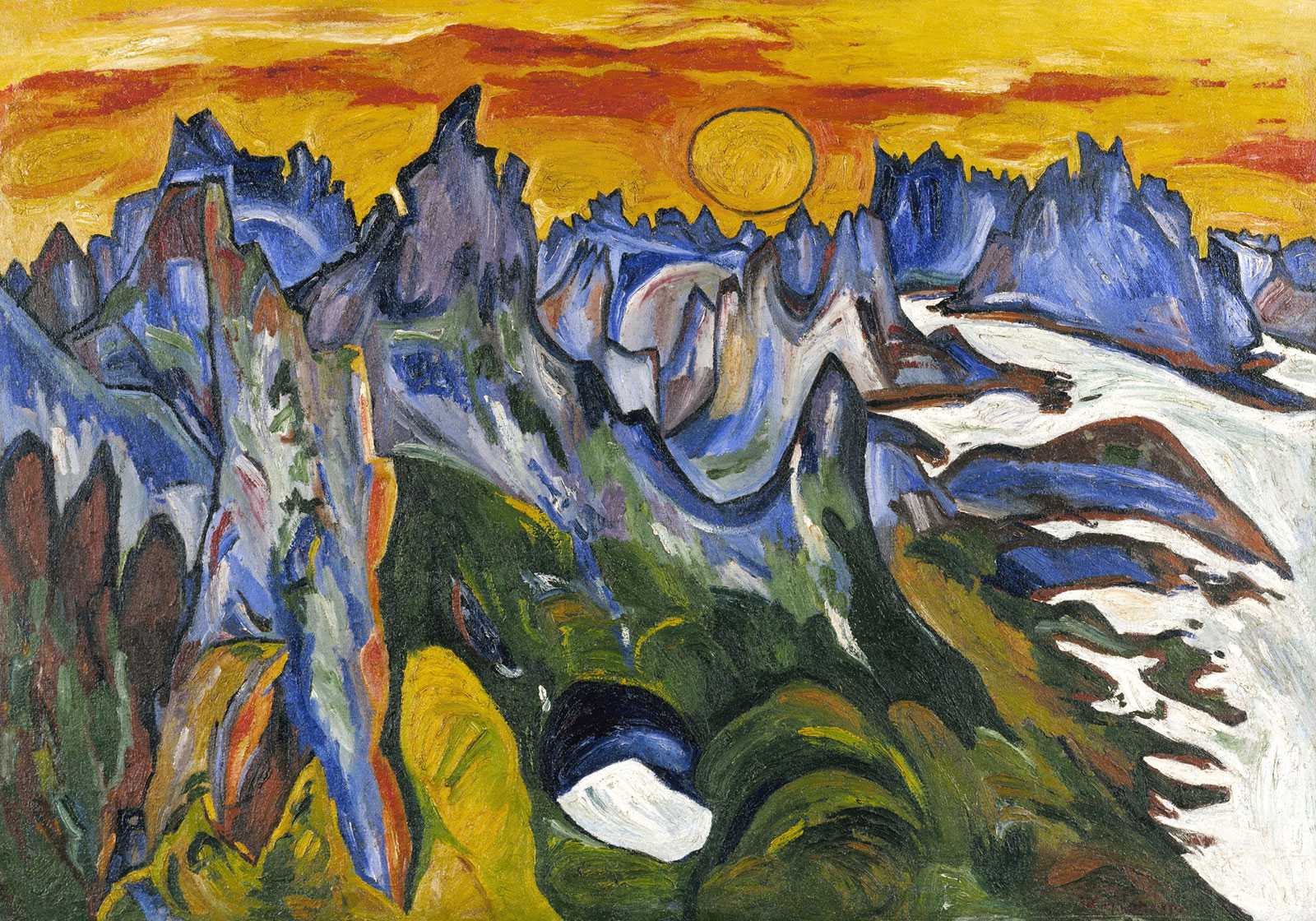
Taking Civic Action with Zines
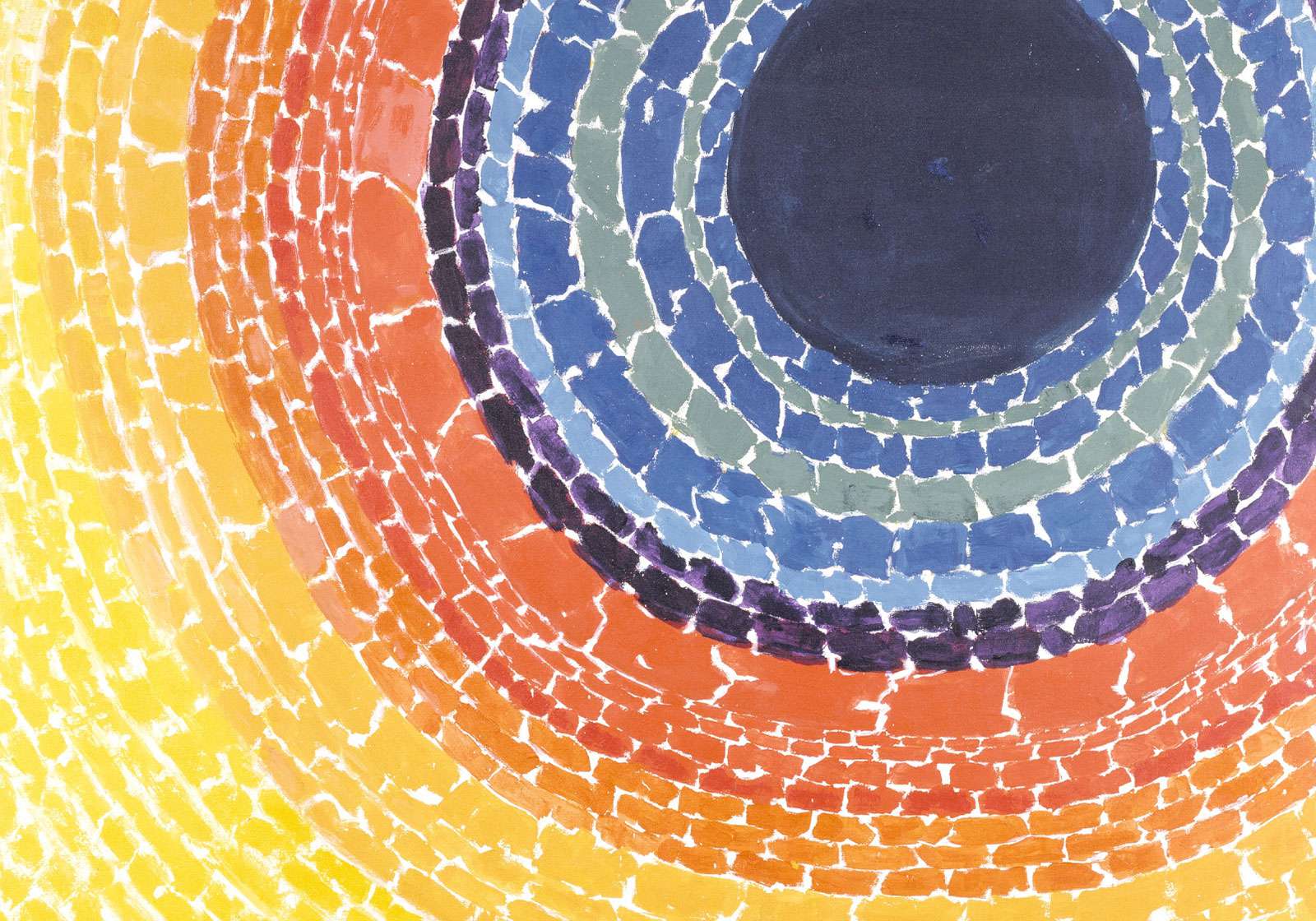
In this free webinar, join the National Museum of American History and learn new ways to civically engage your students! You’ll leave with resources and strategies explore museum objects, build art skills, create zines, and encourage your students to engage in civic action.

Everything Under the Sun*
*Well...maybe not everything... but the Smithsonian Learning Lab puts the treasures of the world's largest museum, education, and research complex within reach. The Lab is a free, interactive platform for discovering millions of authentic digital resources, creating content with online tools, and sharing in the Smithsonian's expansive community of knowledge and learning.

Discover
What will you find in the Smithsonian Learning Lab?

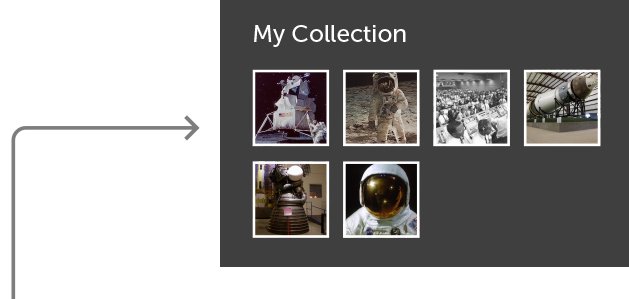
Resources
Millions of Smithsonian digital images, recordings, texts, and videos in history, art and culture, and the sciences
Collections
Thousands of examples of resources organized and structured for teaching and learning by educators and subject experts
Resources
Millions of Smithsonian digital images, recordings, texts, and videos in history, art and culture, and the sciences
Collections
Thousands of examples of resources organized and structured for teaching and learning by educators and subject experts
Who uses the Learning Lab?
In short... it's people like you. We created the Learning Lab so anyone can quickly discover and adapt authoritative subject-relevant resources.


The Learning Lab allows the Smithsonian to come to us so we can explore all of their collections in any way that we choose.


With the Smithsonian Learning Lab, teachers can access high-quality resources and use the interactive tools on the site to create their own collections. For me, what's most inspiring is the ability to see those teacher-created collections and adapt them so that they fit my own students' needs and interests.

We've hyperlinked customized Learning Lab image collections to lessons and units in our district's pacing guides. This saves teachers time, supports student exploration of theme-based concepts, and provides the option for blended learning experiences.

As a librarian, working with students from grades K-5, I access the wide range of museum resources in Learning Lab to find age-appropriate material. I use these resources to enhance lessons with inquiry-based learning strategies to help develop critical thinkers.

The Learning Lab allows us to share the American story through the African American lens by engaging in stories of resilience and agency as told through our museum's unique collections.

The Learning Lab helps our team inspire, educate and empower people through design beyond the walls of the museum. This dynamic tool facilitates collaboration with teachers and learners nationwide by leveraging content in our collections and exhibitions to share design stories.

The Learning Lab is a powerful teaching and learning tool that allows the Heinz History Center to maximize our digital collections and make an impact in classrooms, engaging students and teachers as we connect regional and national history.
Mariruth Leftwich
Director of Education, Pittsburgh, PA
Explore the Collections of the Heinz History Center
The Learning Lab allowed me to easily access vast Smithsonian collections and make them a central part of my classes.

As a parent of teenagers, I truly value the Learning Lab as a trusted source for educational materials that inspire and extend my children's learning.
Maureen Leary
Director of Kindergarten and Toddler Programs, Smithsonian Early Enrichment Center, National Museum of Natural History
Explore Maureen's CollectionsBrowse individual resources by type



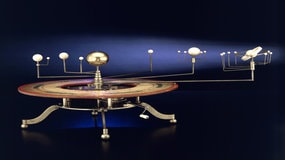
Browse model collections on different topics





Create
Create collections of resources to engage learners, or freely adapt ones already made by Learning Lab users like you.
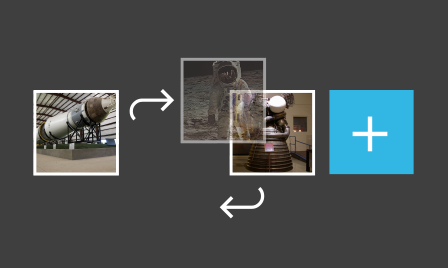


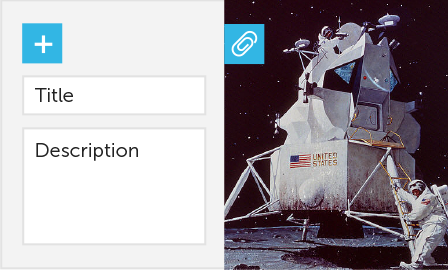
Use Learning Lab tools to customize and enhance your collections.
Copy a Collection
Adapt exemplars to personalize them for your learners.
Upload
Upload aids and resources you already use and value.
Annotations and Hotspots
Make a collection student-friendly, with information, focus, and interactivity.
Quizzes and Assignments
Build in guidance and supports for students.
Browse ready-to-use model collections by educational use


Browse ready-to-use model collections by learning strategy or theme


Share
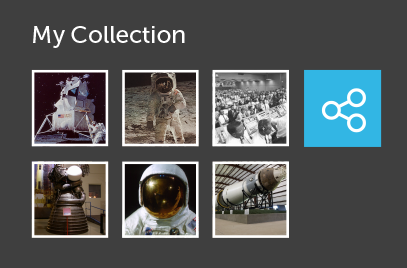


Spread the word. Easily share the things you care about the other users, your colleagues, students, and friends.
Publish Your Collections
Share what you have made with the Smithsonian learning community.

Assign
Develop a roster of your students and assign your collections to them. Track their responses and progress.

Learn
Grow your skills and stay connected with the
Learning Lab Community
Grow your skills and stay connected with the Learning Lab Community
News and Teaching Tips
12/08/23
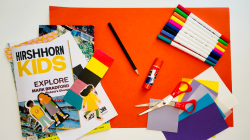
Hands-on Making Activities
Professional Development and Events
Distance Learning with the Smithsonian
Distance Learning Resources
The Smithsonian is committed to supporting the distance learning needs of educators and students.
Visit our Distance Learning Page for resources, trainings, and a full calendar of live events hosted by experts from across the Smithsonian.
The Smithsonian is committed to supporting the distance learning needs of educators and students.
Visit our Distance Learning Page for resources, trainings, and a full calendar of live events hosted by experts from across the Smithsonian.
Recent Events

March 2024
Taking Civic Action with ZinesJoin Eden Cho of the National Museum of American History to explore how you can incorporate museum objects and art skills to civically engage your students! You’ll leave with resources and strategies to incorporate museum objects in your classroom, create zines, and encourage your students to engage in civic action.
Create a Free Smithsonian Learning Lab Account